Attribution · Published 2026-03-26 · 2 min read
The attribution window and 7-day trials
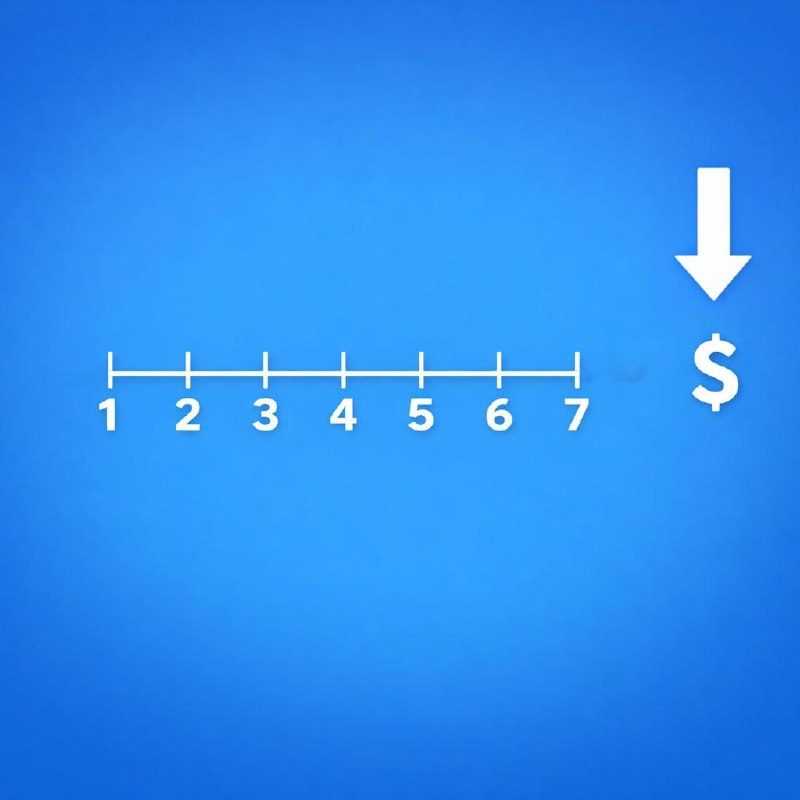
What an attribution window is
The typical user path is: a click on the ad, then an install or app open, then a purchase or any other conversion. The attribution window is the time allowed between the click and the conversion.
If the user fits inside the window — buys within seven days of the click, say — the conversion is counted. If not, then as far as the ad network is concerned that conversion does not exist.
Defaults
- Meta: 7 days, which is also the maximum.
- Google Ads: 30 days.
Should you shorten the window?
For mobile apps, almost never. Most projects suffer from having too few events in the ad account as it is, so a shorter window makes the account learn worse.
You can imagine a project that gets enough events on day one and shortens the Meta window to 1d click in order to pay back literally within the first day — Meta would then optimise for users who pay immediately. In practice there are very few such projects, and day-one data is almost never enough.
I have a 7-day trial. What now?
The gap between the click and the trial-to-purchase conversion becomes longer than seven days, so the conversion falls outside Meta's attribution window. The network never sees the payment and therefore cannot optimise towards it.
Three ways out
- A proxy event, for example through Apphud. Many users start a trial, use the paid feature and cancel straight away; when the network optimises for plain trials it learns on exactly those people. Apphud sends an event along the lines of "user is still active an hour after the trial started", which lets the network learn on slightly better users. Appstack reportedly has something similar.
- Custom server-side events. If your developers are comfortable server-side, they can send something like "trial active in 3 days". That is closer to a paying user and much faster than waiting for the purchase.
- Optimise for a subscription without a trial. If your paywall also offers a plain subscription, optimise on its Trial Converted or Purchase event — the network will bring paying users.
Conclusion
A 7-day trial makes finding product-market fit harder at the early stage: tests get more expensive and the search for working creatives slows down.
How I would do it: launch with a 3-day trial, test creatives quickly, and only then try a 7-day trial as an A/B test.